Jul 9, 2013 | News and Events
[vimeo id=”69899066″ width=”600″ height=”350″]
FAIRFAX, Va. (WUSA9) — For hardcore 30-year-old athletes to baby boomers, achy and worn out joints can literally be a pain.
Cateena Powers know about the pain, after years of athletic competition and training she developed arthritis in both knees.
She didn’t necessarily want to have her knees replaced. Especially after she found about a new stem cell therapy that can regenerate her current knees.
Powers says, “So I did the right knee first and it’s a series of injections.”
Video: Web Extra – Regenexx Procedure
“I would say I started to feel a difference maybe in about two days after that series of injections… two days! And then the next week I saw some definition in my knee. I thought, I can see my knee cap oh my gosh! So I said, i’m doing the left one.”
A new platelet-rich-therapy (PRP) called Regenexx is the latest in a number of PRP therapies that are growing in popularity.
These PRP therapies use the patient’s own stem cells to regenerate areas of the body that tend to wear down over time. This is used for a lot of conditions that used to require open surgery.
StemCell Arts in Fairfax is the only clinic in the Washington, D.C. metro area that offers this procedure.
Dr. Mayo Friedlis of StemCell Arts in Fairfax says, “We are treating a lot of rotator cuff problems that are actually rotator cup tears. We are treating epicondylitis or golfer’s elbow or tennis elbow, and we are treating hip arthritis, ankle achilles tendonitis, ankle sprains.”
“Anyplace that there’s a ligament or tendon injury is amenable to this,” adds Dr. Friedlis.
Physical fitness is a passion for 76 year old Norman Nicholson of Silver Spring. These days, he exercises for at least an hour everyday.
Nicholson says, “I figure skate, I ski, in the summer I bike, I hike.”
His fitness regimen is “Superman-like” for someone his age. But a few years ago, he stumbled upon his own version of kryptonite.
Nicholson says, “It was in 2010 when I started having problems with the knee.”
Due to the knee, he couldn’t do most exercises like he used to. After orthoscopic surgery and physical therapy he was still unable to do many of the things he wanted to. Nicholson saw Dr. Mayo Friedlis after learning about the Regenexx therapy.
Dr. Friedlis says, “Sometimes when we’re injured or when the body goes through a state of degeneration, we start developing arthritis or wear and tear as we age. The stem cells aren’t as plentiful.”
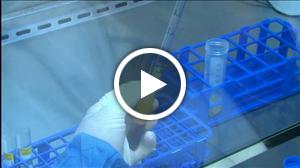
The hip bone marrow is full of plentiful, healthy stem cells. So the stem cells are extracted from the hip, so they can be applied to the injured area, where healthy stem cells are not as plentiful.
Before the stem cells are inserted into the injured section of the body, they are mixed into rich blood platelets. The red and white blood cells are separated from these platelets.
Dr. Friedlis says, “It turns out these red cells and white cells actually inhibit the platelets from doing thier thing.”
Once the platelets and stem cells are mixed and carefully injected into the body, amazing things can happen.
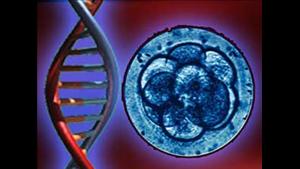
Dr. Friedlis says, “Those bone marrow cells will turn into cartilage cells, into ligament cells, tendon cells, wherever the are of injury is the stem cells are smart enough to figure out what they have to create.”
In Norman Nicholson’s case, he got some much needed cartilage. His knee has regenerated and it feels like he’s many years younger.
Nicholson says, “Last fall we did the stem cell treatments, and this February I was up in upstate New York. And for 4 days in a row I’ve spent an hour, hour and a half cross country skiing with no trouble at all… so i’m sold.”
This experimental procedure is not covered by insurance but it is covered by some flex spending plans.
All of the Regenexx procedures performed in the US are same-day procedures that comply with “CFR21 part1271“, requiring stem cells to be used on the same day that they are extracted.
Costs for this treatment can run between $4,000 to $6,000 depending on the patient. Some patients may benefit from cheaper, older PRP therapies that start around $1,200.
Here is the complete list of conditions this therapy treats:
- Non-healing bony fracture
- Bulging (non herniated) lumbar (lower back) disc
- Avascular Necrosis of the shoulder, hip, knee, or ankle
- Osteoarthritis of the knee, hip, or ankle
- Partial tear of the rotator cuff
- Meniscus tear or ACL, MCL tears
- Knee, hip, and ankle pain
- Limited range of motion, stiffness, swelling, and tenderness
Link to the original WUSA9 article: http://www.wusa9.com/news/article/264081/158/New-Stem-Cell-Procedure-Brings-Youth-Back-To-Achy-Joints
Jun 25, 2013 | Stem Cell Procedures
The average athlete may soon have access to the benefits of stem cell research. Right away and now two months later Eli is back working out and lifting weights, as he never had the pain at all. “Within two days I was stronger than I’ve been in a dozen years.”
###
Source: http://abcnews.go.com
Apr 28, 2013 | Hip, Spine and Neck, Staff Articles
Painful Low Back Issue Responds To Advanced Treatment
One of the many causes of low back pain is related to injuries of the sacroiliac (SI) joint and ligaments. Most common in young and middle aged women, this condition can make sitting and standing quite painful. SI joint dysfunction is difficult to detect, but with precision diagnostics and effective, non-surgical therapy, a board certified specialist can help you obtain significant long-term, potentially permanent relief.
[youtube id=”bxN9BcfgBYQ” width=”600″ height=”350″]
A complex condition
The SI joints connect the pelvic bones to the lowest part of the spine. Small and very strong, SI joints provide structural support and stability, functioning as shock absorbers for the pelvis and the lower back.
Not a lot is known about why SI joints become painful, but current medical consensus is that a change in the normal motion of the joint may be the source. Too much or too little movement may cause pain in the ligaments and joints, as well as spasms in the supporting back and pelvic muscles. It may be the result of direct trauma such as a car accident or as simple as a missed step when descending stairs. The stress of childbirth can also weaken the SI joint and other supporting pelvic structures causing pain and instability. Sitting, standing and bending at the waist aggravates the pain. When SI joint dysfunction is severe, there can be referred pain into the hip, groin and leg.
SI joint dysfunction is difficult to diagnose because currently there are no radiologic tests available that consistently detect abnormal motion of the joint. Experienced pain specialists, familiar with the mechanics of the SI joint, can conduct a precise musculoskeletal examination of the spine and pelvis. This type of exam can often detect SI joint dysfunction. Tests such as x-rays, MRI, CT scan and bone scan may be used to rule out other causes of back pain, but they generally are not helpful with diagnosing SI joint injuries.
Long-lasting relief without surgery
Simple, non-surgical techniques have proven to be very effective in resolving SI joint pain. Injections of anti-inflammatory medication and local anesthetic in the SI joint and ligaments can greatly reduce pain and discomfort for extended periods of time. Radiofrequency neurotomy creates a longer lasting result through denervation – obstructing the nerve supply to the SI joint. Advanced regenerative treatments, such as prolotherapy and platelet rich plasma therapy, may also show excellent clinical benefit. These treatments specifically promote natural healing of the joint and ligaments. By improving strength and stability, regenerative therapies may offer longterm and potentially permanent pain relief.
Safely performed in a sterile, office- based setting, these therapies offer the potential for significant pain relief without surgery, general anesthesia, hospitalization or prolonged recovery periods.
Apr 28, 2013 | Hip, Spine and Neck, Staff Articles
Healing Back, Hip and Groin Pain from Pelvic Instability
[youtube id=”Yp8VklNUtcM” width=”600″ height=”350″]
Many women live with the chronic, often crippling pain of pelvic instability, a condition believed to be widespread but not easily diagnosed. This prevalent source of pain in the lower back, hips and groin is difficult to detect because traditional examination and imaging tests do not reveal impairment. As a result, these women are frequently misdiagnosed and untreated. But now, advanced regenerative injection therapies have proven to be effective. They can promote lasting pain relief by healing the injured tissues that lead to instability and pain. The key is to find a pain specialist experienced in both diagnosing and treating this condition.
Common causes
Women are more susceptible to this condition than men, because their pelvic structures are built wider and more flexible for childbirth. The pelvic bones bear the weight of the upper body and distribute it to the hips and legs. This basin-shaped structure consists of the hip, sacrum and pubic bones all held together by ligaments. When the ligaments are injured or overstretched, the pelvis loses its stability and begins to move excessively with physical activities, causing hip, back and groin pain. Even simple movements can become painful, making it difficult to sit, walk, stand, pick up a toddler, drive a car, or merely roll over in bed.
Trauma, a fall on the buttocks or lifting a heavy object, can weaken pelvic ligaments. However, the most common cause is childbirth. Many women first experience pelvic pain after delivering a baby. Symptoms may become apparent soon after birth, or gradually appear years later as ligaments are further impaired by normal physical activities.
Difficult to distinguish
Left untreated, pelvic instability can gradually worsen, leading to severe pain and limitations in activity tolerance. Unfortunately, this condition often goes undiagnosed for several reasons. The symptoms mimic other conditions. The true source of pain is not easily recognized. Today’s imaging technology is unable to detect the abnormal motion of the pelvis or ligament laxity. MRI and CAT scan studies only show torn ligaments, not weak ligaments. Attaining an accurate diagnosis requires a specialized musculoskeletal exam that is performed by a physician experienced in treating the condition.
Often untreated, yet highly treatable
Although difficult to diagnose, this condition can be effectively treated and potentially cured with innovative, non-surgical techniques such as prolotherapy and the revolutionary new platelet rich plasma therapy. These regenerative injection therapies provide pain relief by restoring pelvic stability. Working in tandem with the body’s natural healing process, they strengthen pelvic ligaments by stimulating new growth. Performed without general anesthesia, hospitalization or long recovery, this safe, no pharmaceutical approach can help women regain their active lifestyles – jogging, skiing, even horseback riding – and get back to living again.
Apr 24, 2013 | Blog, Prolotherapy
Free Clinic Helps Relieve Pain for Hundreds of Underprivileged; Advanced Injection Therapy Taught to Local Doctors
Relief from chronic pain: it is a transcendent standard of basic good health, but one that the disadvantaged and remote inhabitants of third-world countries often are forced to forego. Thanks to the volunteer efforts of four pain management experts from Capitol Spine & Pain Centers (CSPC), however, residents of Cuidad Guzman, Mexico can now look forward to healthier, pain-free lives.
CSPC physicians Mayo F. Friedlis, MD, Damon Robinson, MD, Joshua A. Thomas, DO, and Jatinder Narula, MD, were among 25 doctors from around the world who descended in late-November on Cuidad Guzman, an underprivileged community 80 miles south of Guadalajara, for a week-long opportunity to teach local doctors how to diagnose and treat pain-related conditions. The annual trip was coordinated through the American Academy of Orthopaedic Medicine (AAOM) and was undertaken as part of CSPC’s ongoing commitment to humanitarian initiatives and continuing education.
“It gave my colleagues and me great pleasure to share our knowledge and expertise in pain management with a community in dire need,” says Dr. Friedlis, Managing Partner for CSPC. “During our stay we worked with the directors of the local medical clinic to train the local physicians and provide free medical care and pain treatments to more than 500 patients, helping to alleviate and even cure chronic pain conditions that would almost assuredly have gone untreated otherwise.”
Dr. Friedlis adds, “One of the treatments we used most extensively was Prolotherapy, an innovative injection technique we employ regularly at CSPC. It is a highly successful option for combatting musculoskeletal injury and pain, and one that is well-suited for use in third-world countries where resources are limited and communities remote. The treatment can be performed anywhere; no expensive equipment, overhead or facilities are required; there’s no down-time for the patient, and its 80% successful in cases of musculoskeletal injury.”
More specifically, Prolotherapy promotes long-term, often permanent pain relief by stimulating the body’s ability to repair itself. A solution of concentrated dextrose and local anesthetic is expertly guided by injection into the affected ligaments, tendons, or joint capsules. This solution stimulates the body’s natural ability to repair these tissues, encouraging growth of new ligament or tendon fibers. Many conditions respond well to prolotherapy, such as back and neck arthritis, whiplash, joint sprains, degenerative disc disease, osteoarthritis, chronic tendonitis, and more. Multiple treatments encourage additional tissue growth to restore and strengthen the affected area.
“Compassionate patient care is our mission at Capitol Spine and Pain Centers, and this was an amazing opportunity to marry that mission with our commitment to community service,” says Dr. Friedlis. “We’re already looking forward to next year’s trip.”