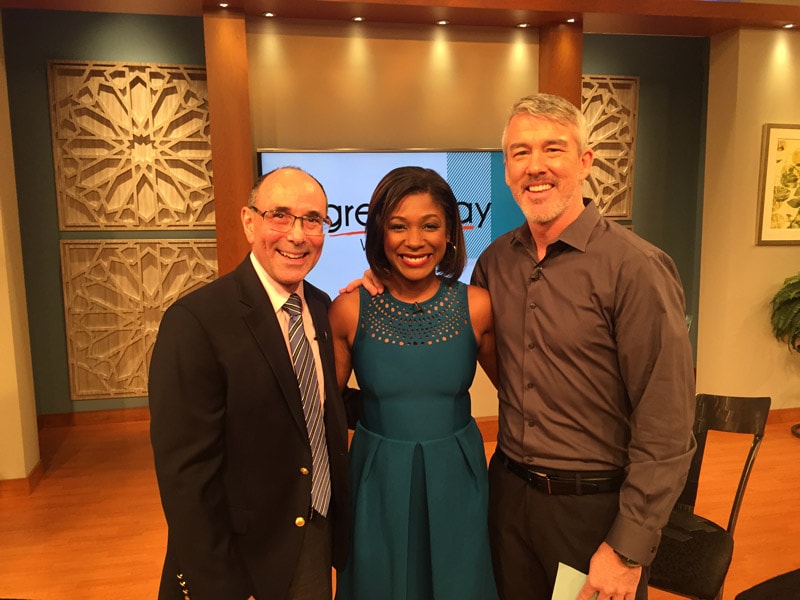
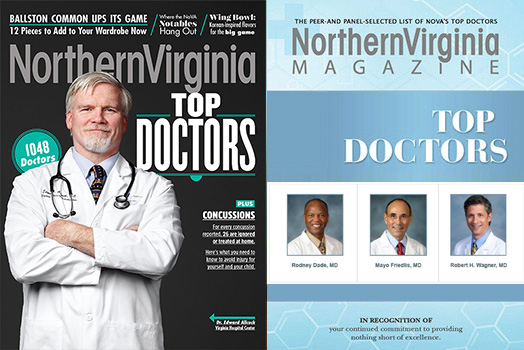
Stem Cell Arts is proud to announce that our expert physicians, Drs. Rodney Dade, Mayo Friedlis, Robert Wagner have been awarded Top Doctors in Northern Virginia’s 2016 magazine. This is a well-known listing of outstanding physicians who have received votes from physicians all around the Northern Virginia region and local hospital panels. Congratulations on these impressive accolades and we thank you for continuing to provide great quality care to patients in need!
Here is some information on each of these award-winning doctors. Check out their full biographies for more information.
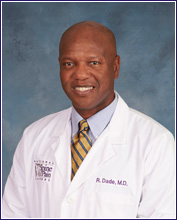
Rodney B. Dade, MD
Dr. Dade had been a key member of National Spine and Pain Centers since 1995. He joined our medical team after serving as an attending Physician at the University of Michigan Hospital System. An expert practitioner with interventional pain management techniques, Dr. Dade provides a mixture of conventional and complimentary medicine to help patients achieve significant pain relief without surgery and enables them to return to normal, active lifestyles. (Click to read more)
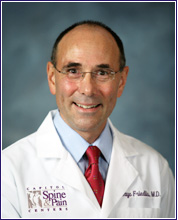
Mayo Friedlis, MD
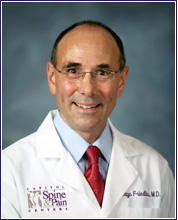
Since joining National Spine& Pain Centers in 1983, Dr. Friedlis has helped expand the practice into the thriving, nationally recognized leader it is today. He is passionate about the science of pain management and committed to delivering the most effective therapies possible to each of his patients. Throughout his 25+ years of experience he has actively enhanced his knowledge and expertise through continuing education, training and research. This has established him in the region as the foremost practitioner of Regenerative therapies for musculoskeletal injuries. (Click to read more)
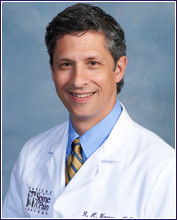
Robert Wagner, MD
A native of Northern Virginia, Dr. Wagner returned to the area after completing his medical training throughout the state of Virginia. He joined National Spine & Pain Centers in 1999, and soon became well known among his colleagues and patients as a talented and knowledgeable pain specialist. His skills in advanced, non-surgical techniques have helped countless patients resolve complex pain issues and return to healthy lives. (Click to read more)
Dr. Mayo Friedlis of StemCell ARTS is interviewed in this Great Day Washington segment, where he discusses non-surgical Regenexx orthopedic stem cell treatments and regenerative blood platelet procedures used to treat joint injuries, arthritis and spine pain. StemCell ARTS offers these procedure in our offices in McLean, VA and Chevy Chase, MD.
WATCH THE GREAT DAY WASHINGTON VIDEO SEGMENT BELOW:
Don’t cover the pain, heal it! Please join us for a fun and informative event discussing how these new technologies are helping athletes to return to their sport sooner!
StemCell ARTS, an affiliate of National Spine and Pain Centers, provides a family of non-surgical, regenerative treatments for common injuries and joint conditions. These adult stem cell and platelet procedures are designed to increase function and decrease pain. These treatment options can help patients avoid the lengthy periods of downtime and rehabilitation resulting from invasive surgeries.
Please join us for the opportunity to have your questions answered by one of the area’s leading regenerative medicine experts.
MAYO F. FRIEDLIS, MD
Education
BS, University of Michigan
MD, Wayne State University School of Medicine
Residency & Internship
Physical Medicine and Rehabilitation Sinai Hospital of Detroit
Board Certified
Physical Medicine and Rehabilitation
A FEW CONDITIONS THAT MAY RESPOND WELL TO THE PROCEDURES AT STEMCELL ARTS:
Degenerative conditions, such as arthritis
Labral, ACL, Meniscus, and Rotator Cuff Tears
Tendinitis
Joint Instability
Plantar Fasciitis
QUESTIONS? CALL 703-738-4381
VFit is offering free scans of the VFit Scanner which is the first fully automated 3D body scanner that does complete body composition and metrics all through a 20 second scan. We currently give height, weight, BMI, body fat percentage, and the circumferences of all body parts through our non-invasive technology. Visit virtualu.co for more information.
There are so many positive aspects to stem cell therapy. One of the most exciting developments in stem cell treatment is its use for treating arthritis in the knee. For decades, the standard treatment for debilitating knee pain has been knee replacement surgery, which utilizes a metal and plastic prostheses to replace lost cartilage and damaged bone. Regenerative medicine therapies, such as stem cell and platelet treatments (PRP) applied at StemCell ARTS, encourage the growth of new tissue utilizing the body’s natural healing systems. These techniques make regenerative medicine therapies a noninvasive option that can achieve pain relief results as good as, or better than, standard knee replacement surgery.
Prior to selecting the use of stem cell therapy, one question that many candidates ask is: Will my age affect whether or not I can or should have this procedure? The answer is simple. No. When conducting stem cell therapy treatments on patients, age does not matter. That’s right. Patients who are good candidates for regenerative medicine such as stem cell and platelet therapies are suitable candidates regardless of their age.
Over the past 4 years, Regenexx has gathered data on over 1000 cases of knee stem cell treatments on patients to help them understand how well these regenerative procedures impact knee osteoarthritis. The data has shown, in terms of the success and benefits of regenerative treatments, there is “no association between age and doing better or worse” (1). So age does not matter! At StemCell ARTS, we utilize the Regenexx protocols for stem cell treatments with all our patients to ensure these positive results.
The data from the registry looked at two different age groups, those under age 45 and those 45 or older, at intervals of 1, 3, 6, 12, 18 and 24 months. Across all intervals, the success rates were consistent regardless of the age of the patients. It is important to note that the treatment registry is not the equivalent of a controlled clinical study. Nevertheless, the data shows that patients are reporting good results from the Regenexx procedure.
Why Doesn’t Age Matter?
Because stem cell therapy uses the patient’s own stem cells as a catalyst for healing, these stem cells act as a ‘booster’ for the body’s natural healing process, encouraging the body to do what it has been designed to do naturally. This extra boost is a huge benefit to older patients, since in most cases the speed and strength of the body’s natural healing ability has slowed with age.
Age is typically not a factor in our regenerative procedures because the Regenexx treatment protocols call for changes that take into consideration the patients age. This means that each patient receives a customized approach specific for their age. Other factors such as the type of injury, the severity of the injury, the activity demands of the patient also call for changes in the standard protocols. All of this makes the Regenexx protocols the very best treatments available to help your body heal. No matter what your age!
If you are suffering from knee arthritis or any of the other orthopedic injuries treatable with stem cell therapy, you are encouraged to speak with one of our doctors. A regenerative procedure could give you the pain relief you are looking for.
StemCell ARTS is an Affiliate of National Spine and Pain Centers
If the regenerative treatment options offered by StemCell ARTS are not right for you, National Spine and Pain Centers provide more traditional treatments for spine and joint conditions.

 Rodney B. Dade, MD
 Mayo Friedlis, MD
 Robert Wagner, MD